 Image 1 of 2
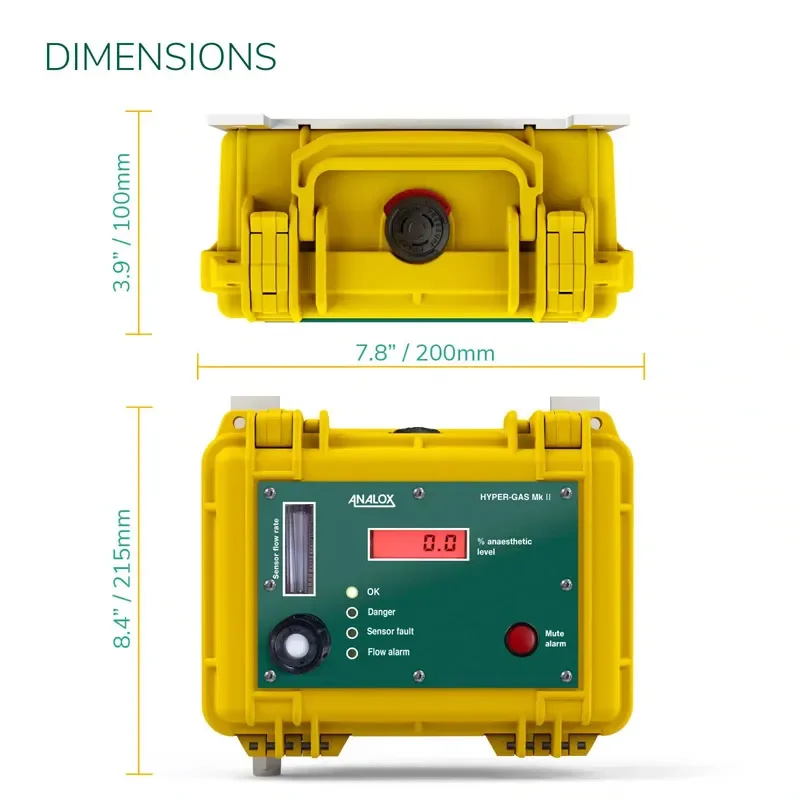 Image 2 of 2
A Deadly Mix
After working on the seabed, saturation divers can transport sediment samples (sea mud) back into the diving bell on their boots. This mud contains a deadly mix of hydrocarbons. When these hydrocarbons off-gas into the bell, they have an anaesthesia effect on the body, meaning even the most experienced divers would struggle to carry out the simplest of tasks, like putting on their breathing apparatus (BA).
The Hyper-Gas MkII – saving lives at sea since 2006.
In Safe Hands
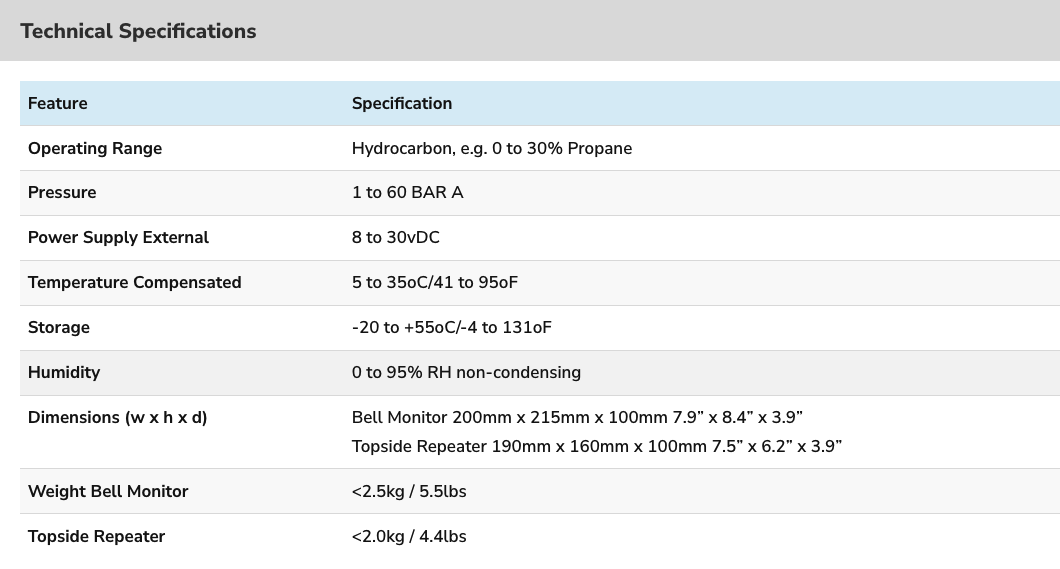
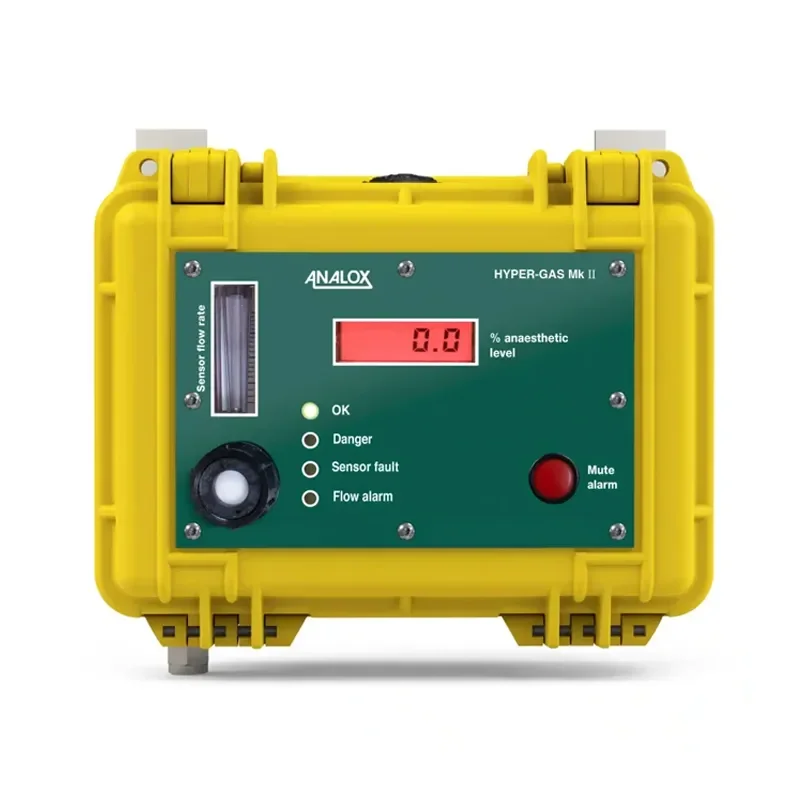
The Hyper-Gas MkII consists of two parts, a bell monitor which is located inside the diving bell so that the presence of hydrocarbons can be detected rapidly and the divers alerted quickly and a topside repeater which mimics the status of the bell monitor for the dive control team located topside. The unit will log the levels which can be downloaded and used as critical data for any incident reports and enquiries.
Note: The Hyper-Gas MkII was not designed to monitor hyperbaric levels of hydrogen sulphide (H2S).
Applications
Saturation Diving
Diving Bell
Oil & Gas
Offshore
Geological research
Oil well intervention, installation and decommissioning
Marine science and surveys
Legislations / Standards
The unit was designed in 2006 in response to an incident in the North Sea where a diving bell was contaminated with hydrocarbons brought into the bell from the seabed by a diver. Small quantities of hydrocarbons can off gas in the bell atmosphere and act as an aesthetic which could prove potentially fatal for the divers if they are not made aware so that they can take evasive action.
The Hyper-Gas MkII is now mandated by The Association of Oil & Gas Producers (OGP) in their “411 Report” which means that any diving contractor working for an OGP member such as Shell, BP, Total or Chevron must have a Hyper-Gas MkII installed in their saturation diving system.
The unit is now used in the majority of operational diving bells and recognised as the accepted best industry practice.